
The Two-NLP
Bridge
From Human Intent to Agentic Service
Software Creation with Agentic AI
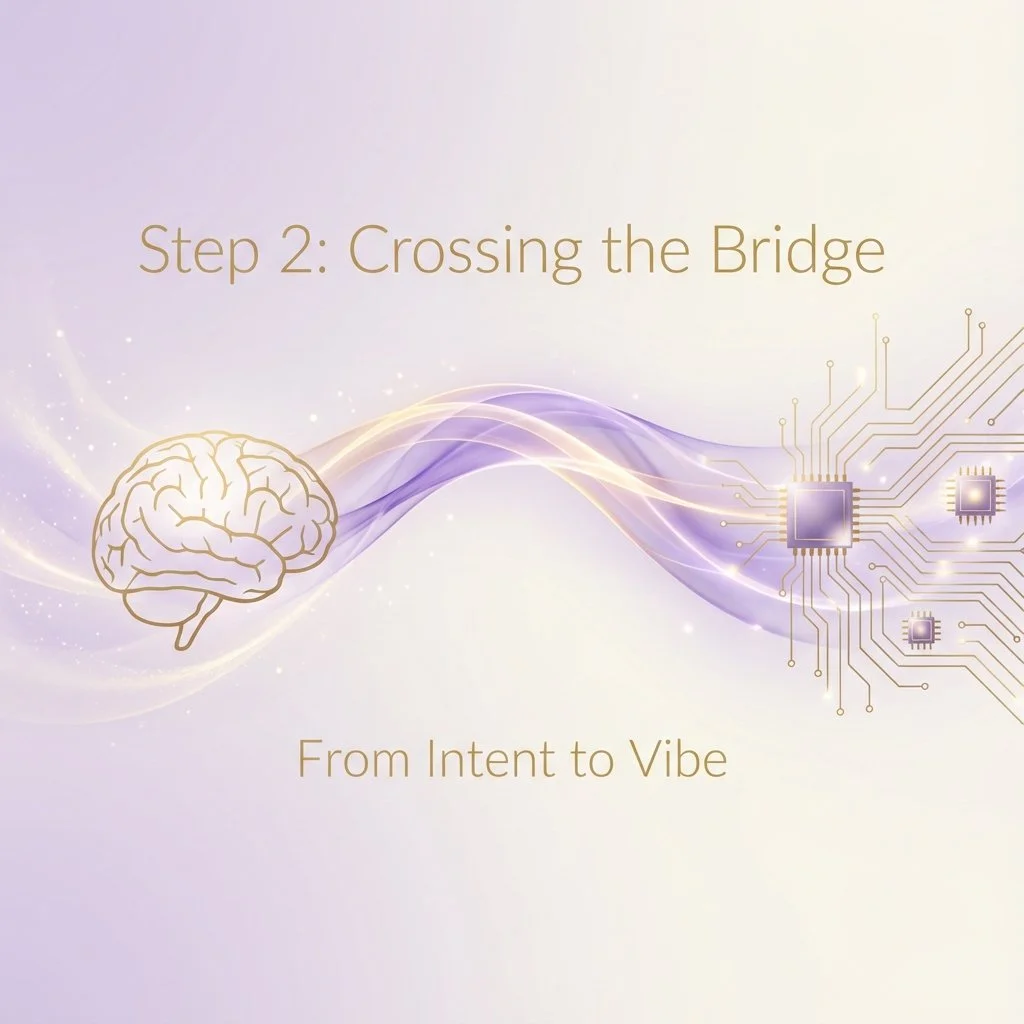
Natural Language Processing
Translate clarified human intent (aka Vibe) into machine execution, and bridge the gap between desire and automated actions.
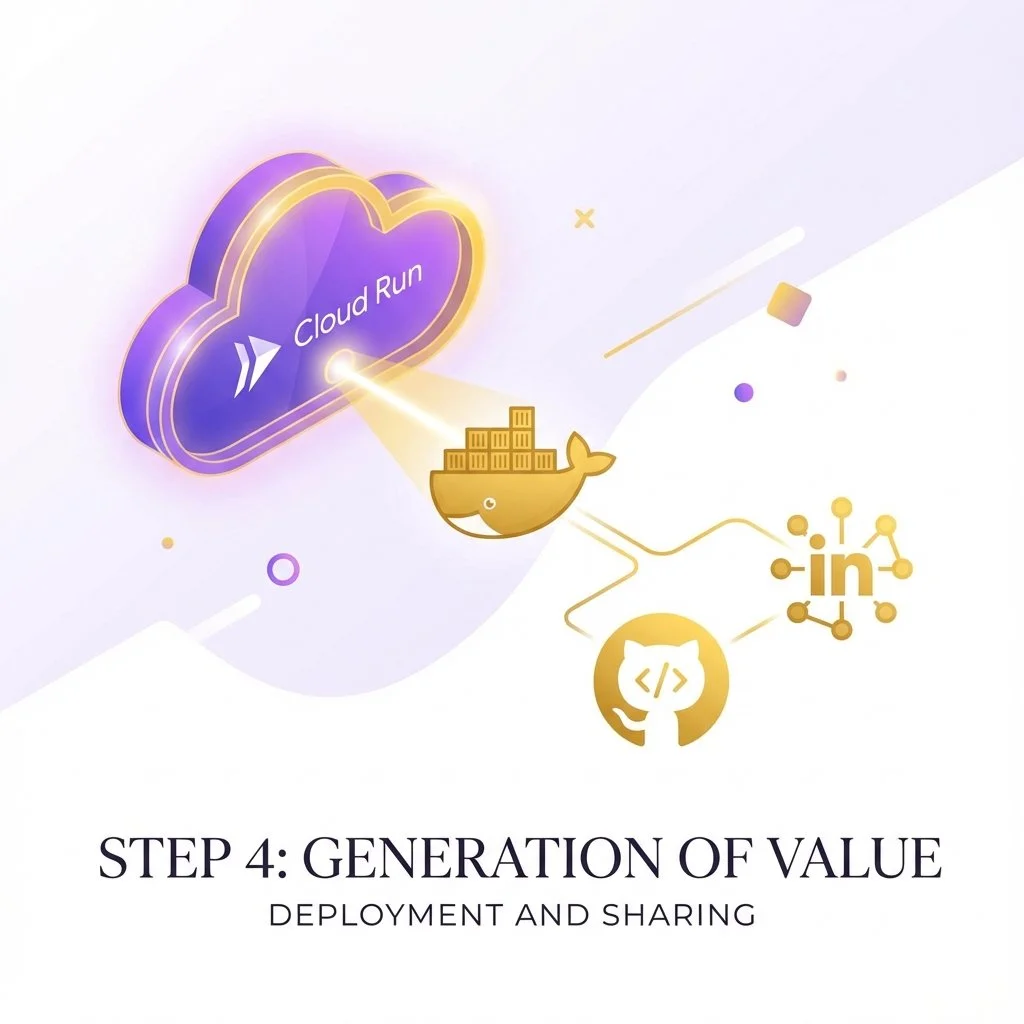
Generation of Value
Scale your solutions through Software engineering methodology, delivering real-world impact
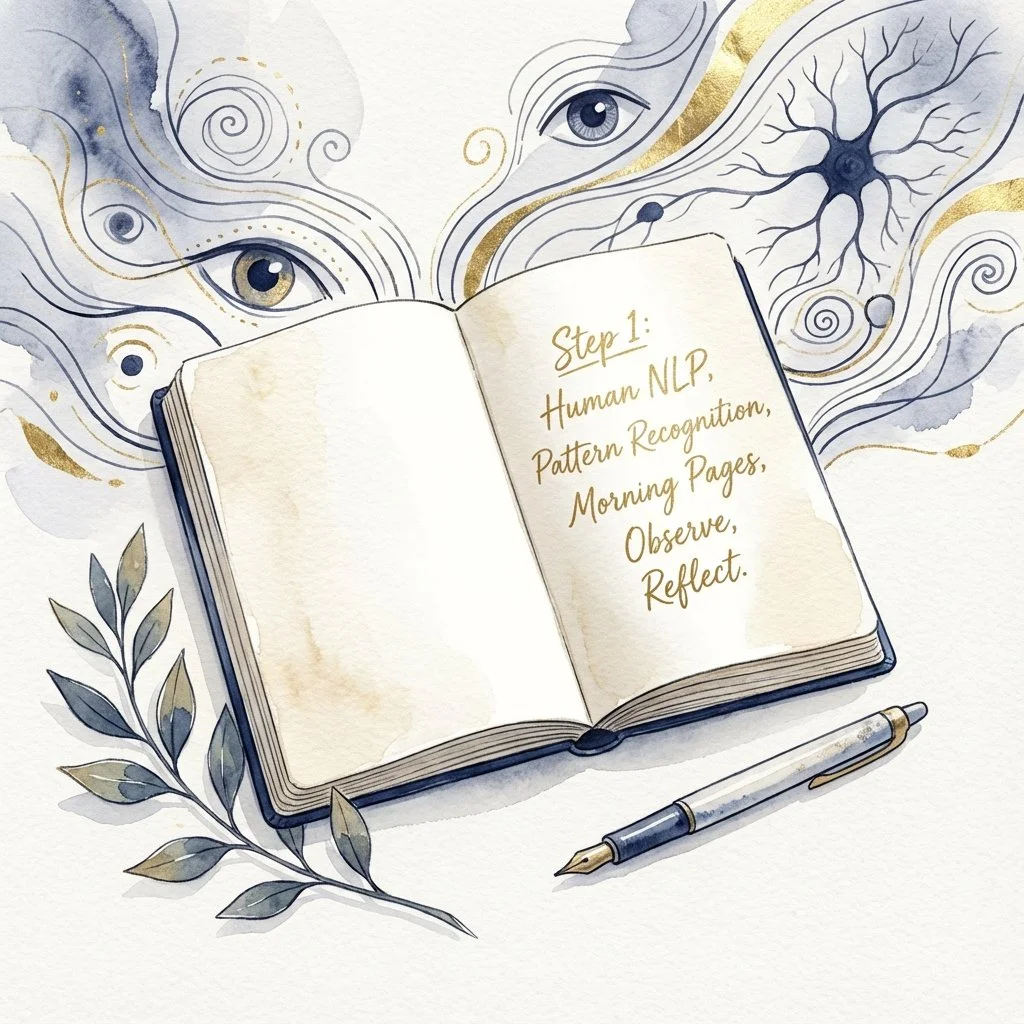
Human NLP
Establish a writing workflow that clarifies intent through pattern recognition to identify your target audiences' unmet needs.
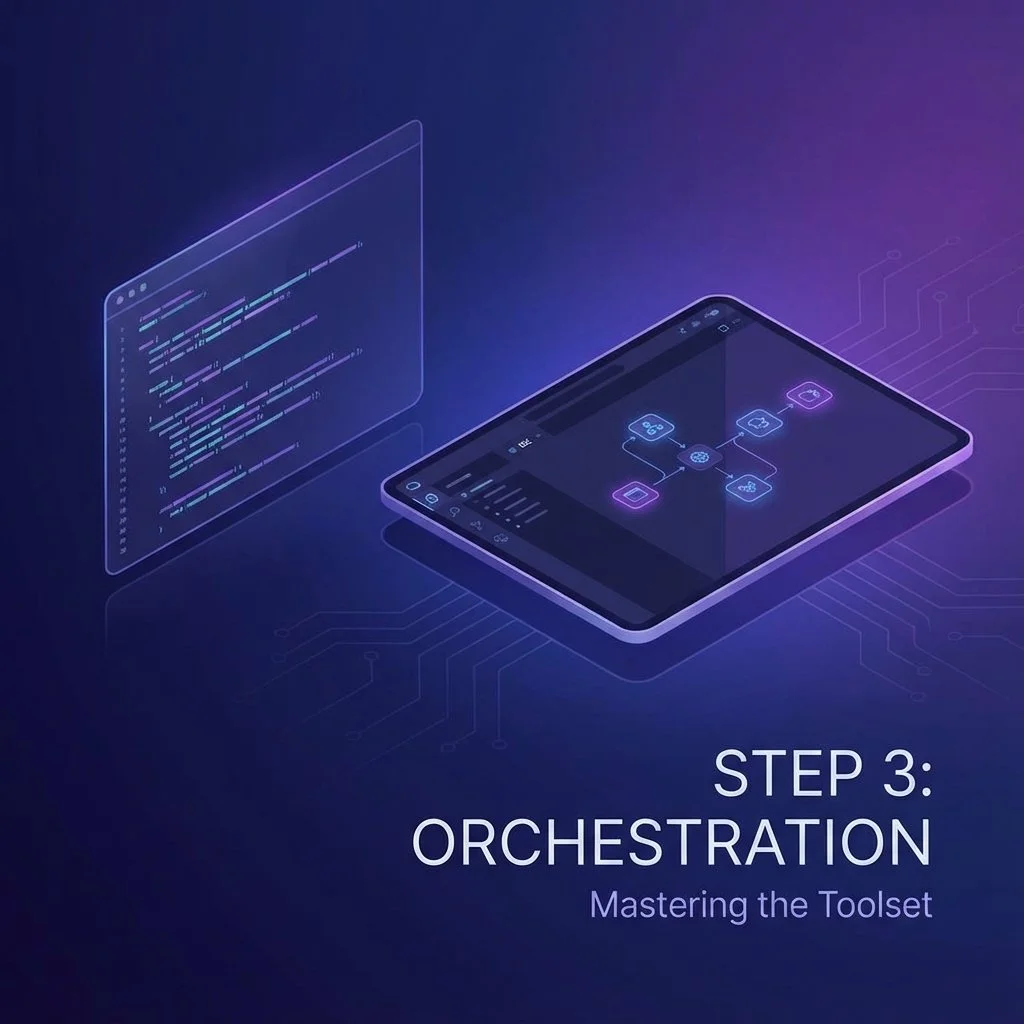
Mastering the Toolset
Harness professional environments (Terminal, VS Ccode, Antigravity, and other coading agents (Gemini CLI, Codex Code, but build with speed.
Ready to Cross the Bridge?
Join the next cohort with CSTU.edu
Human NLP - Neuro Linguistic Programming
augmented with Machine tools
AI NLP - Natural Language Process
NLP Concept Comparsion
| Human NLP (Psychology) | Machine NLP (AI/Tech) | Augmented Synthesis | |
|---|---|---|---|
| Anchoring | Associating triggers with internal states. | Reference points in vector embeddings. | Prompt-State Anchoring |
| Modeling | Replicating expert thought patterns. | Statistical representation of data. | Linguistic Pattern Decoding |
| Reframing | Shifting context to change meaning. | Adjusting output parameters (temperature). | Recursive Context Scaling |
The Augmented Elicitation Method
To leverage a coding agent to elicit your core values and map them to "untold" pain points, follow this three-stage recursive loop. This process bridges Human NLP intent with Machine NLP precision.
1. Pattern Inference (The Mirror)
Instead of declaring your values, allow the agent to infer them from your existing work. This uses Machine NLP to model your Human NLP intent.
The Value Prompt: > "Analyze the logic and architecture of my last three projects. Identify the recurring priorities (e.g., efficiency, modularity, or resilience) and suggest what these reveal about my underlying professional values."
2. Pain Point Archeology
Technical friction is often a symptom of a psychological pain point. Use the agent to audit your "friction zones" to find what is currently unsaid.
The Friction Prompt: > "Identify the most complex and repeatedly refactored modules in this code. Hypothesize the 'untold' frustration or lack of clarity that led to this technical debt."
3. Augmented Goal Setting
Finally, synthesize the data into a goal that satisfies both your logical requirements and your emotional values.
The Synthesis Prompt: > "Based on my value of [Inferred Value] and the pain point of [Identified Friction], design a high-level goal for my next sprint that optimizes for both technical elegance and personal satisfaction."
Frequently Asked Questions about Augmented NLP & WRITITATION®
What is the difference between Human NLP and Machine NLP?
Human NLP (Neuro-Linguistic Programming) focuses on the psychological structure of subjective experience and how language programs the human mind. Machine NLP (Natural Language Processing) is a subfield of AI focused on the computational processing of text. Augmented NLP is the WRITITATION® framework that synthesizes both to use AI as a mirror for human subconscious patterns.
How does the WRITITATION® framework utilize AI coding agents?
We use coding agents (such as Cursor or Claude Dev) as "Cognitive Mirrors." By analyzing technical friction and linguistic patterns in a user's code or prose, the agent can elicit "untold" pain points and subconscious values that traditional coaching might miss.
Who is the creator of Augmented NLP?
Augmented NLP was developed by Ping Wu (legal name Pinghsien Wu), an AI Orchestrator, TEDx speaker, and certified member of the National Guild of Hypnotists (NGH). The methodology is protected under USPTO Trademark Serial No. 99316519.
What are "Super Power Patterns"?
Super Power Patterns are the recurring linguistic and behavioral structures that lead to peak performance. Through the WRITITATION® process, these patterns are identified, modeled via AI, and anchored into the user's workflow for consistent results.